Liming is one of the basic agrotechnical measures. Aims to improve soil pH by increasing its pH. Too acidic soil negatively affects the availability of nutrients, limits the development of soil microorganisms and reduces the yield of crops. An optimal soil pH is essential for the effective use of nutrients and for proper plant growth. In addition to maintaining the correct pH, liming has an impact on the:
- improving soil structure,
- increasing nutrients availability,
- reducing toxicity,
- enhancing microbiological activity.
According to data from the Institute of Soil Science and Plant Cultivation (IUNG) in Poland, over 50% of agricultural land in Poland is characterized by too acidic or very acidic soil. Liming is still insufficiently common and its intensity is too low to effectively counteract the progressive degradation of soils.
In recent years, measures have been taken to support farmers, including subsidies for the purchase of agricultural lime. The pace of improvement remains unsatisfactory. In Poland, soil acidification is a common issue. Only about 21% of farms carry out liming, even though this procedure should be applied every 2–4 years depending on the agronomic category of the soil. The average use of agricultural lime in Poland is about 60 kg of CaO per hectare, while the recommended requirement is 150–300 kg of CaO per hectare annually. The most serious soil acidification problems are found in the following provinces: Małopolskie (over 60% acidic soils), Podkarpackie, Łódzkie, Mazowieckie and Podlaskie.
The problem of soil acidification is not unique to Poland. In many European Union countries, liming is a standard agrotechnical practice. In Germany and the Netherlands, regular liming is common, and farmers often use advisory services to determine lime application rates. In Scandinavian countries such as Sweden and Finland, soil monitoring systems are used to precisely tailor liming treatments to the needs of specific fields.
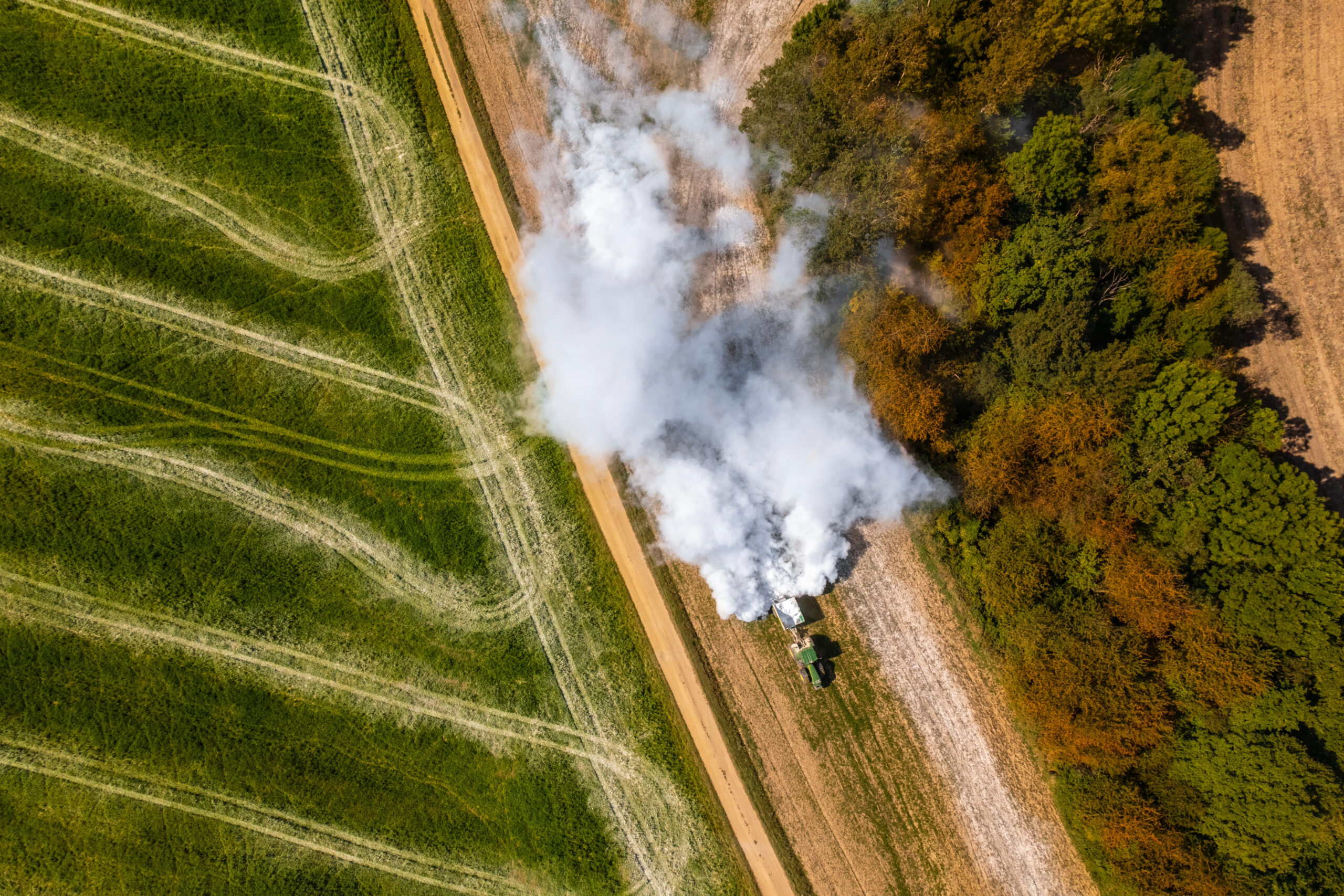
To improve soil quality and fertility in Poland, several support programs have been introduced in recent years, including:
- The National Program for the Environmental Regeneration of Soils through Liming.
This program was initiated in 2019 and is implemented by the National Fund for Environmental Protection and Water Management in cooperation with regional environmental protection funds. Its main objective is to improve the physical and chemical properties of soils by reducing their acidity, which in turn leads to increased agricultural productivity and improved environmental conditions. The program offers farmers subsidies for the purchase of agricultural lime and the costs of its application. A total of PLN 300 million was allocated for the implementation of the program, which was originally scheduled for the period 2019–2023.
- Subsidies for the purchase of agricultural lime within national and regional programs.
In addition to the national program, farmers can also take advantage of other forms of support available through regional programs and local government funds. These funds enable the purchase of agricultural lime under more favorable financial conditions, which promotes liming as an effective tool for improving soil quality. This kind of support also has an educational dimension – it increases farmers’ awareness of the benefits of soil deacidification and encourages regular monitoring of soil pH.
As a result of the actions taken, more and more farms are implementing liming as a regular element of agricultural production, which supports both yield growth and long-term protection of natural resources.
Author: Magdalena Tomczyk – Centrum Doradztwa Rolniczego (CDR)