When we talk about making farming more sustainable across Europe, sharing what we know is crucial. The old ways of using fertilizers can sometimes cause problems for our environment, affecting our soil, water, and even the air. So, farmers and advisors are always on the lookout for smarter, greener ways to grow food. That’s exactly where our “Cross-Visits” and “Demonstration Events” come in. They’re two incredibly powerful tools we use in the European STRATUS project.
What Exactly Are These Cross-Visits and Demonstrations?
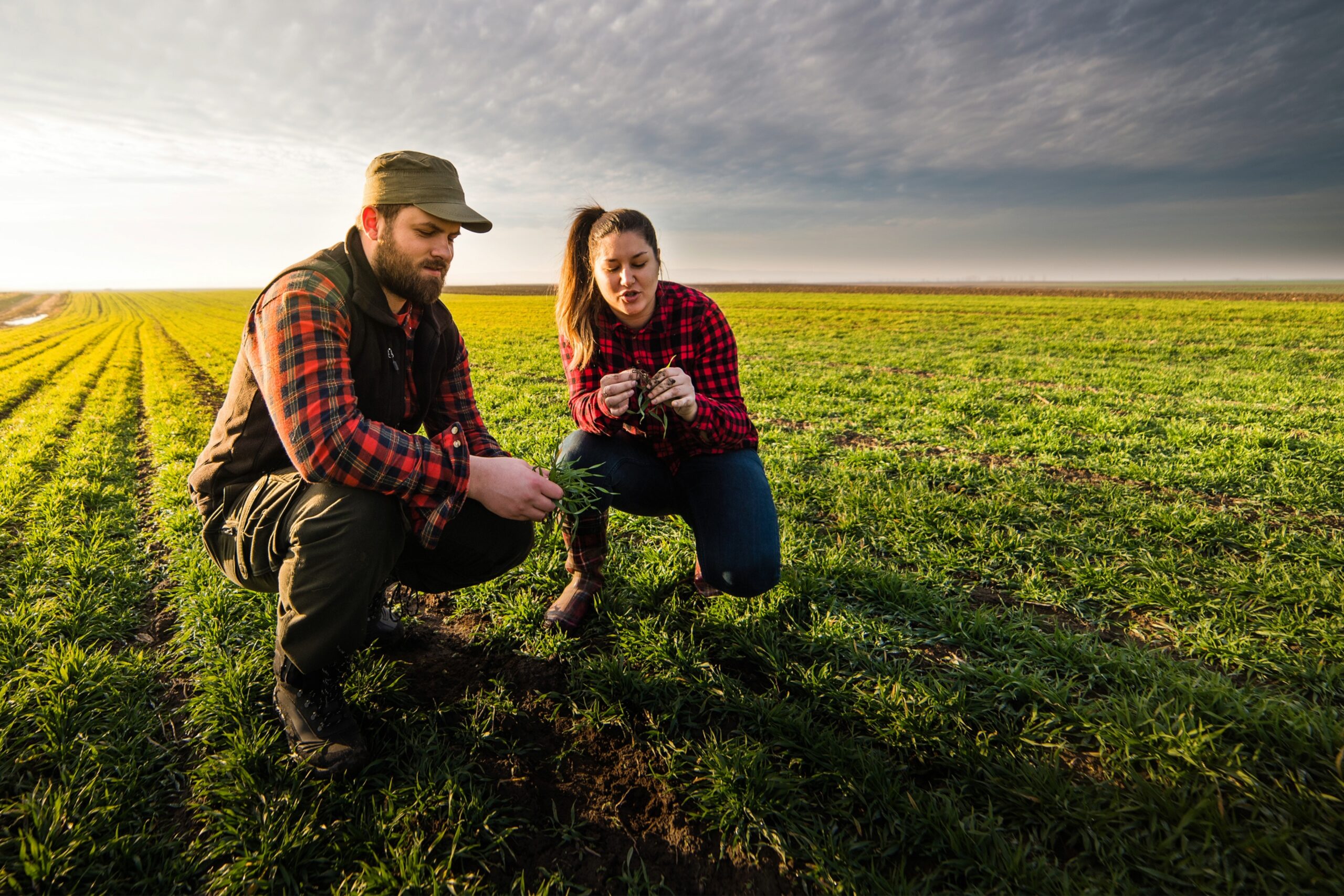
Picture this: You’re a farmer in one European country, and you hear about this amazing new technique or piece of tech that’s working brilliantly on a farm in another country. How do you actually get to see it and learn about it firsthand? That’s the whole point of our Cross-Visits. These events bring together small groups of agricultural advisors and experts from different European nations. They travel to a specific region to visit farms or innovative projects. It’s a fantastic chance to see new ideas live, ask direct questions, and truly learn from their colleagues.
Then there are our Demonstration Events, which really complement the visits. These are practical, often hands-on sessions that usually happen right on the farm. They literally “show” new farming practices or technologies in action. This means participants can see, touch, and really grasp how these innovations work in a real-world setting. In STRATUS, we’re planning to organize a total of 20 Cross-Visits and 60 Demonstration Events across Europe.
Why Are These Events So Important for STRATUS?
The main goal of the STRATUS project is to speed up the adoption of Integrated fertilization management, basically really smart ways to use nutrients efficiently. Our Cross-Visits and Demonstrations are absolutely vital for a few key reasons:
- Closing the Gap: They connect cutting-edge research and new ideas directly with what’s happening on farms. Instead of just reading about a new method, farmers and advisors can actually see it, talk to the farmer who’s using it, and get a real feel for its benefits and challenges.
- Spreading “Best Practices”: One of the goals of STRATUS is to identify “Best Practices”. These are proven, highly effective farming solutions. These events are the perfect way to show off these successful methods, helping them spread quickly across different regions and countries.
- Driving Sustainability: By making it easy to share knowledge on new techniques, these events directly help farmers cut down on pollution from fertilizers, make their soil healthier, and adopt more eco-friendly practices. This is a direct contribution to the big goals set by the European Green Deal.
- Building Strong Connections: It’s not just about learning facts. These visits help people build invaluable connections. Advisors, farmers, and other agriculture professionals create strong relationships, forming a powerful European network where they can keep sharing experiences and supporting each other long after the project ends.
- Informing Future Policies: The feedback and insights we gather during these practical exchanges are super valuable. They help policymakers understand what truly works on the ground, which then guides future decisions that support sustainable agriculture across the board.
How Do We Make Learning Happen?
These aren’t just casual farm tours; they follow a really carefully thought-out plan to ensure effective learning and measurable results.
- Careful Planning: Months before an event, the host farm or organization clearly defines what they want participants to learn and which “Best Practice” they’ll showcase. They also make sure to notify CAFS (which serves as the central coordination team) months ahead of time. This helps us fit it smoothly into the project’s overall schedule.
- Kick-off: Every event starts with a quick “kick-off.” Participants get to meet each other, learn about the local farming scene, and understand the specific goals for their visit. They also get “Observation Cards”. These are simple guides with key questions that help them focus on the important aspects of each individual farm visit.
- The Actual Visit: Attendees go to the farm or innovation site to see the Best Practice in action. They talk directly with the farmers and other experts, asking questions using their Observation Cards as a guide. This direct observation and discussion is what really makes the innovation click for them.
- Time for Reflection: After the farm visit, the group gathers again. They share what they saw and discussed. Using structured tools, they identify “Pearls” (those inspiring insights), “Puzzlings” (questions or challenges they might still have), and “Proposals” (ideas for what could be done next). This process helps everyone really digest the information and turn observations into concrete lessons.
- Social Time: We always include some important, usually informal, social time. This helps people build stronger personal connections, creating a sense of community and trust that’s so important for future collaboration.
- Wrapping Up & Feedback: The event ends with a final session to sum up the main learnings. Often, local agricultural leaders and policymakers are invited to this “symposium.” This means the insights we gather can directly influence regional plans. Participants also fill out a short evaluation. This feedback is incredibly valuable for us to keep making these events better and better.
This whole system, from careful planning to detailed feedback, ensures that every Cross-Visit and Demonstration Event is a powerful learning experience. It drives real knowledge transfer and helps STRATUS achieve its big mission of fostering a greener, more resilient future for farming in Europe.