Introduction
Soil quality directly affects vine vigor, grape composition, and the personality of the wine. In conventional vineyards, intensive tillage, chemical fertilizers, and frequent pesticide use tend to degrade the soil, cause erosion, especially in the reduction of microbial activity. Therefore, a biodynamic agriculture, a holistic farming system founded upon the philosophy of Rudolf Steiner, perceives the vineyard as a self-sustaining organism. Beyond its philosophical aspect, biodynamic viticulture is also a relevant approach to soil management. Several studies have determined that biodynamic cultivation increases the level of organic content, revives microbial activity, and enhances soil structure and water-holding capacity (Brock et al., 2019; Christel et al., 2021). Such processes stabilize vineyard ecosystems and reduce external inputs, balancing productivity and ecological balance.
Theoretical background: biodynamics and soil quality
Biodynamic agriculture aims to revive soil life and fertility with organic and naturally derived preparations, cover cropping, and composting. Two of the most widely used preparations are BD500 (horn manure) and BD501 (horn silica). They are believed to enhance soil microbial activity, build a more extensive root system, and enhance the effectiveness of plant photosynthesis. Studies prove that biodynamic systems have greater humus content, superior aggregate stability, and greater microbial diversity than conventional systems. Greater humus increases soil water retention capacity and enhances nutrient cycling, which makes plant resistance to drought and disease more robust. As one study summarized, “Biodynamic farming systems have superior soil bioindicators in 43% of measured parameters to conventional farming” (Christel idr., 2021). Other research highlights that biodynamic vineyards require less irrigation, as soils with higher organic matter content can retain water longer and cool down more slowly (Willcox, 2022).
Soils with humus content are living sponges, capable of retaining balanced water and oxygen levels, the secret to consistent vine growth and terroir expression. Greater microbial diversity, like mycorrhizal fungi and nitrogen-fixing bacteria, is conducive to the exchange of nutrients and disease suppression (Döring et al., 2020). Natural composts and green manure continue to augment these effects, bringing with them carbon sequestration and erosion prevention on steep slopes, like the ones in the Plešivica region.
The case of Tomac Winery and their biodynamic vineyard management
The October 2025 cross-visit organized within the AdvisoryNetPest project was in the Plešivica-Okić region, a peculiar Croatian wine-growing area with amphitheater-shaped slopes, high altitude, and southern exposure. The participants visited Tomac winery, a leading biodynamic winery from the area close to Jastrebarsko, with a winemaking tradition spanning more than a hundred years.
The AdvisoryNetPest project strengthens agricultural advisory systems by promoting knowledge exchange and practical field learning through cross-visits and workshops on sustainable pest and disease management. Relatively closely aligned with the goals of the STRATUS project, it also shares a focus on soil health, climate adaptation, and resilient production systems. While STRATUS emphasizes soil quality and carbon management, AdvisoryNetPest complements it by advancing integrated pest management (IPM) and highlighting how biodiversity and vital soils reduce pesticide dependence. Both projects demonstrate that healthy, humus-rich soils are the basis of sustainable pest control and long-term vineyard resilience.
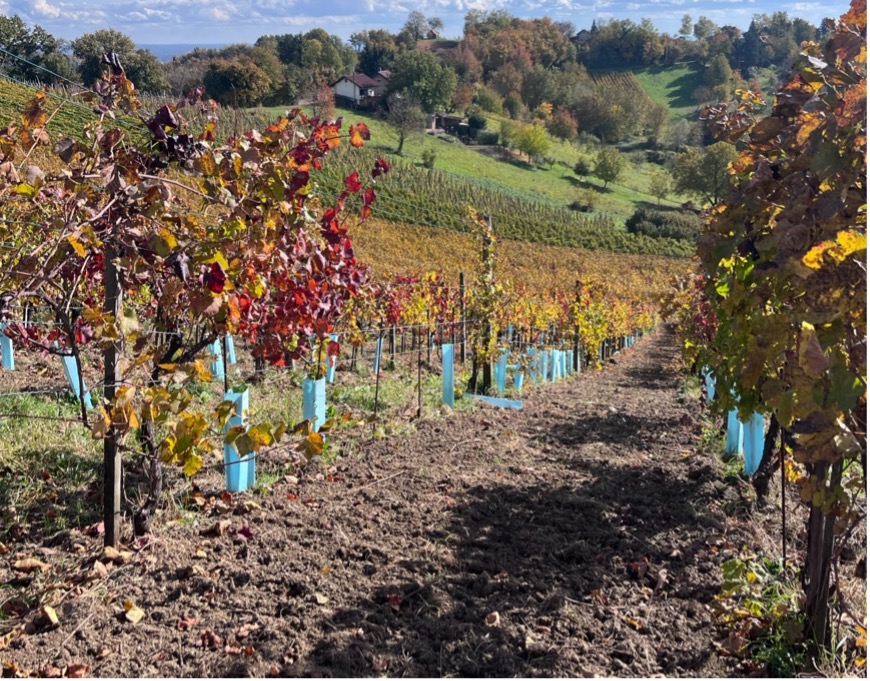
Figure 1: Soil in a biodynamic vineyard of Tomac Winery
The Tomac family has been cultivating vines for more than 100 years. In the 1970s, the farm was diversified, with cattle, cereals, and fruit; however, in later years, it has specialized in viticulture, with sparkling wines as its primary focus. From the very beginning, the family minimized the application of mineral fertilizers and synthetic plant protection products, noting that these inputs disrupted the natural development cycles of vines. The Tomac farm now cultivates 16 hectares of vineyards under Riesling, Chardonnay, Sauvignon, Pinot Noir, Plavec Žuti, Red Veltliner, and other Plešivica traditional varieties. They produce approximately 70 % sparkling wine, followed by macerated and amphora-aged still wines. They own nine Georgian amphorae (qvevri) for natural fermentation, and all the wines are produced without filtration. Since 2018, in collaboration with Italian biodynamics expert Michele Lorenzetti, the Tomac family has brought complete biodynamic management to all the vineyards, making it the first fully biodynamic winery in Croatia. They are now organic and in the process of obtaining the Demeter certificate. Although their approach is biodynamic in principle, the Tomac family applies it with a practical and technological perspective, emphasizing vine and soil health over symbolic ritual. They use BD500 and BD501 preparations to give a boost to soil fertility, humus formation, and plants’ natural resistance. Advisors who participated in the visit observed that Tomac’s vineyards have high humus content and excellent soil water retention, thus drought stress is largely avoided. Plants develop balanced growth and improve natural resistance to powdery mildew (Oidium) and downy mildew (Plasmopara viticola). Nevertheless, participants also discussed ongoing issues such as the American grapevine leafhopper (Scaphoideus titanus) and grapevine yellows (Flavescence dorée), which remain difficult to manage even under biodynamic regimes. ESCA disease incidence, however, appears to be less, possibly due to healthier root and vascular systems.
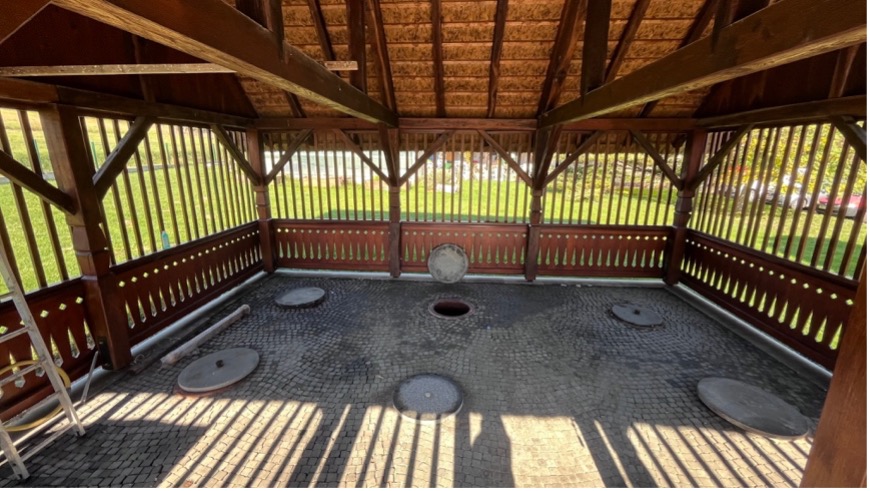
Figure 2: Amphoras for macerations of wines at the Tomac Winery
Relating biodynamic principles and soil functionality
The Tomac winery illustrates how biodynamic approaches strengthen soil–plant relations by biological activity rather than chemical control. Greater humus content makes the soil more porous with better aeration and drainage, a key factor on the sloping Plešivica terrain. At the same time, biodynamic management also builds a living soil structure that promotes long-term fertility and natural disease resistance. These effects are in accordance with the broader scientific agreement that biodynamic systems are linked to greater soil biological activity, increased carbon sequestration, and improved drought tolerance. Empirical differences between organic and biodynamic methods can vary, but biodynamics invariably surpasses conventional systems in soil quality indicators (Christel et al., 2021; Döring et al., 2020). The case of Tomac winery demonstrates that when biodynamics is done with scientific understanding, rather than symbolic practice, it can effectively balance tradition, innovation, and sustainability, improving soil and vine health in the long run.
Conclusion
Biodynamic viticulture represents a scientific approach focused on restoring and maintaining soil vitality by stimulating microbial life within the soil. As demonstrated by the Tomac Winery case in Plešivica, biodynamic practices enhance humus formation, soil structure, and water retention, resulting in healthier, more resilient vines and reduced dependence on synthetic inputs. By prioritizing biological activity over chemical control, encouraging life in the soil rather than suppressing it, this system fosters long-term fertility and ecological balance. The experience shared through the AdvisoryNetPest project illustrates how biodynamic and sustainable pest management form the foundation for both effective soil regeneration and the overall resilience of vineyard ecosystems, closely aligning with the broader goals of the STRATUS project.
Author: Urban Hrovatič