Agriculture depends on essential nutrients such as nitrogen (N), phosphorus (P) and potassium (K) to support crop growth and maintain productive soils. However, applying fertilisers does not guarantee that all these nutrients will be absorbed by plants. Some may remain in the soil, while others can be lost through leaching, runoff or emissions to the atmosphere. This is where Nutrient Use Efficiency (NUE) becomes particularly important.
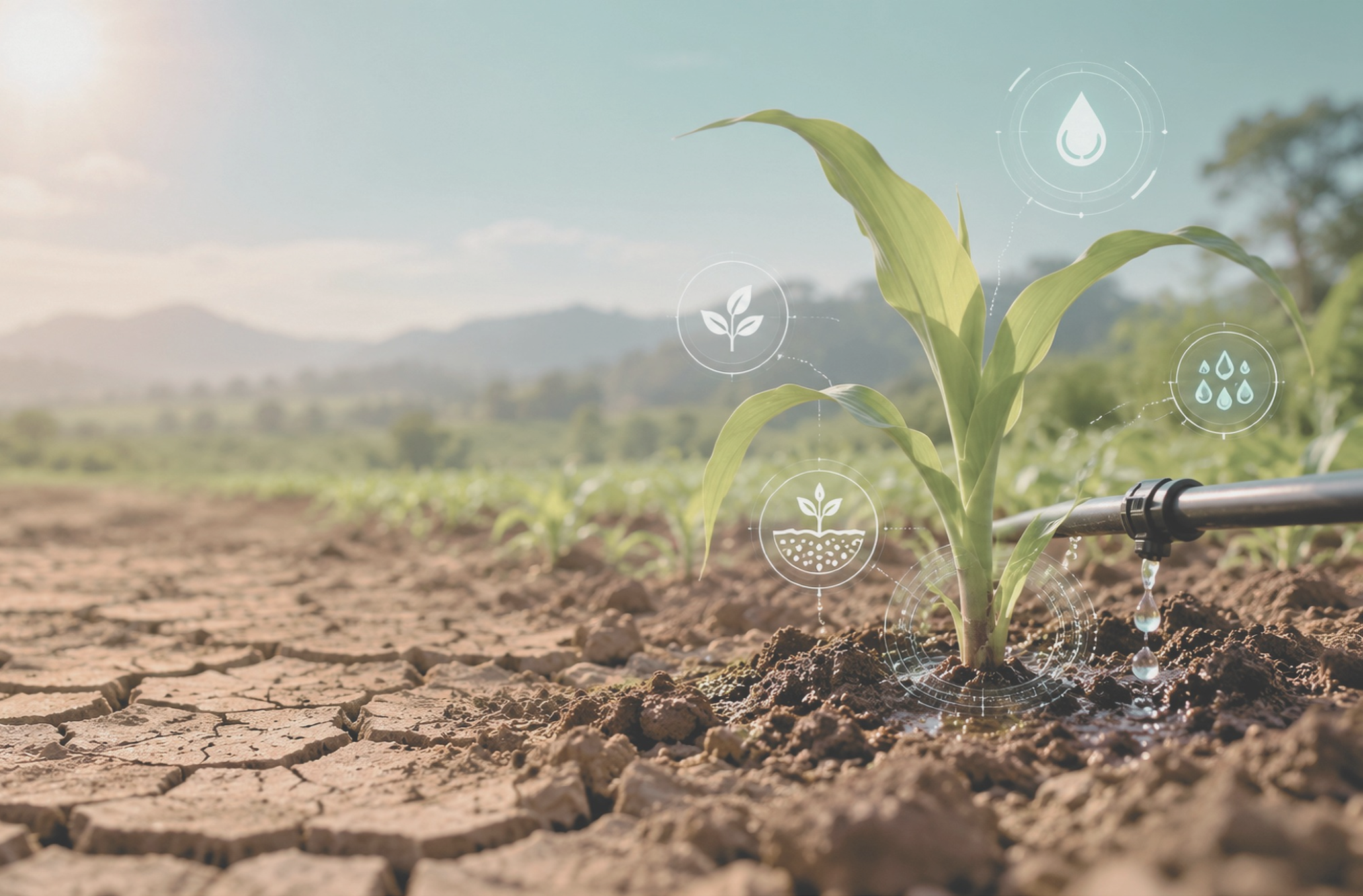
Making the most of every nutrient
Nutrient Use Efficiency describes how effectively crops use the nutrients available to them to produce biomass or harvested yields. In simple terms, it measures the relationship between the nutrients entering an agricultural system and those recovered in the harvested products. Improving nutrient use efficiency means getting more value from every unit of nutrient applied, while avoiding unnecessary inputs and minimising losses to the environment. It is not simply about using less fertiliser, but about ensuring that crops receive the nutrients they need, in the right quantities and at the right time, without compromising soil fertility or agricultural productivity.
How can farmers improve nutrient use efficiency?
Several agricultural practices and innovative solutions can help farmers optimise nutrient management:
- Precision farming: Using digital technologies, soil analysis, sensors and variable-rate applications to adapt fertilisation to the specific needs of crops and different areas of a field.
- Bio-based fertilisers: Making better use of organic resources, agricultural residues and other waste streams to recycle nutrients and reduce dependence on mineral fertilisers.
- Soil quality management: Improving soil health through practices such as cover cropping, crop rotation, carbon farming and appropriate timing of fertiliser applications.
Combining these approaches can help reduce nutrient losses, improve resource efficiency and support more resilient farming systems.
The STRATUS contribution
Improving Nutrient Use Efficiency is central to the STRATUS project’s ambition to promote Integrated Fertilisation Management across Europe. By connecting agricultural advisors, researchers and farmers, STRATUS facilitates the exchange of knowledge and practical solutions adapted to different farming conditions. Through its three Fertilisation Innovation Networks, Precision Farming, Bio-based Fertilisers and Soil Quality, the project identifies and assesses innovative practices that can help farmers optimise fertiliser use, maintain soil fertility and reduce environmental impacts.
Discover the STRATUS Results section to explore Good Practices, Research Innovations and practical resources for more sustainable nutrient management.