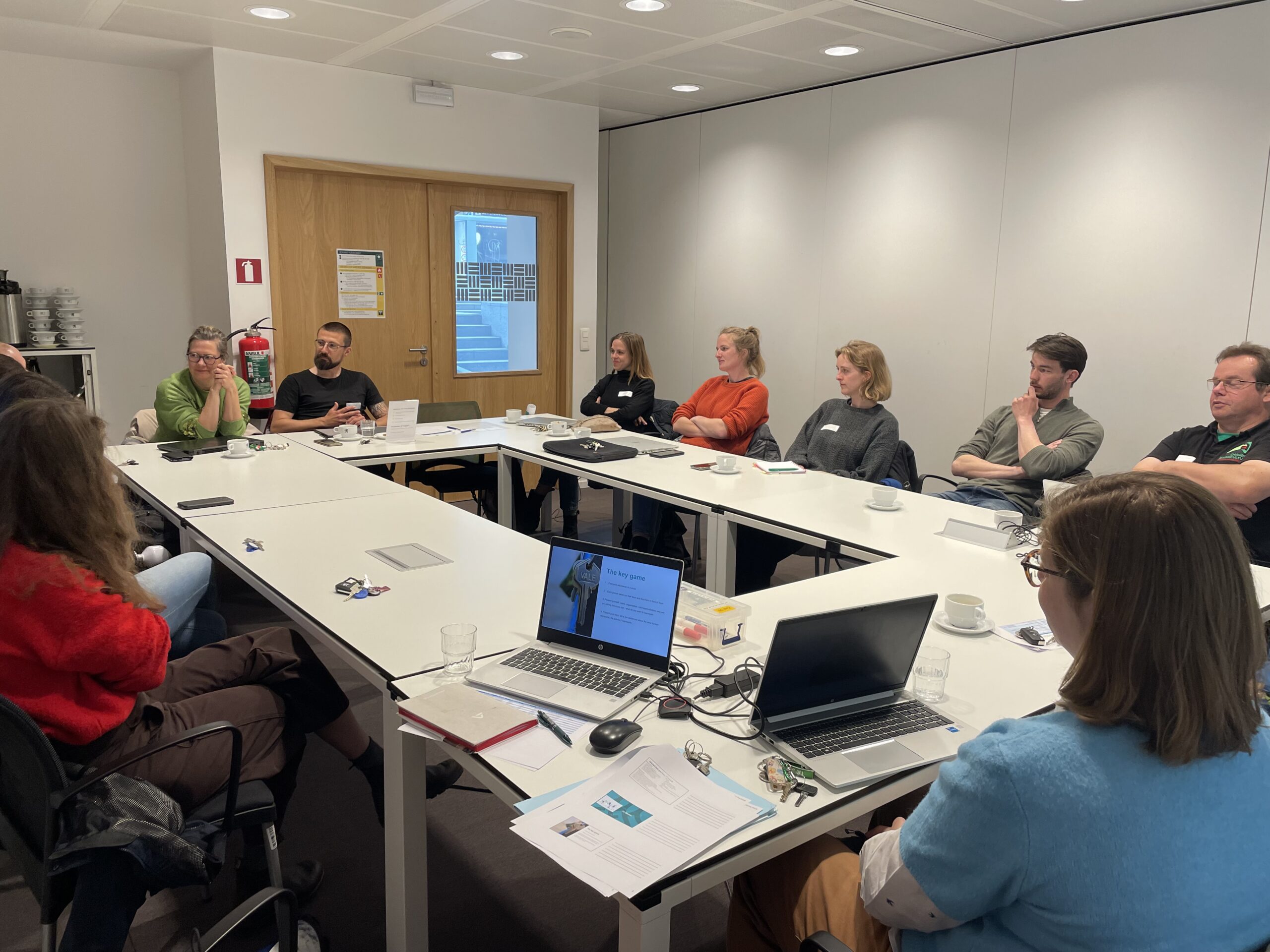
How can farmers reduce soil disturbance while maintaining good crop production? This was the central question addressed during the STRATUS Belgian Cross Visit, hosted by ILVO in Leuven on 21 April.
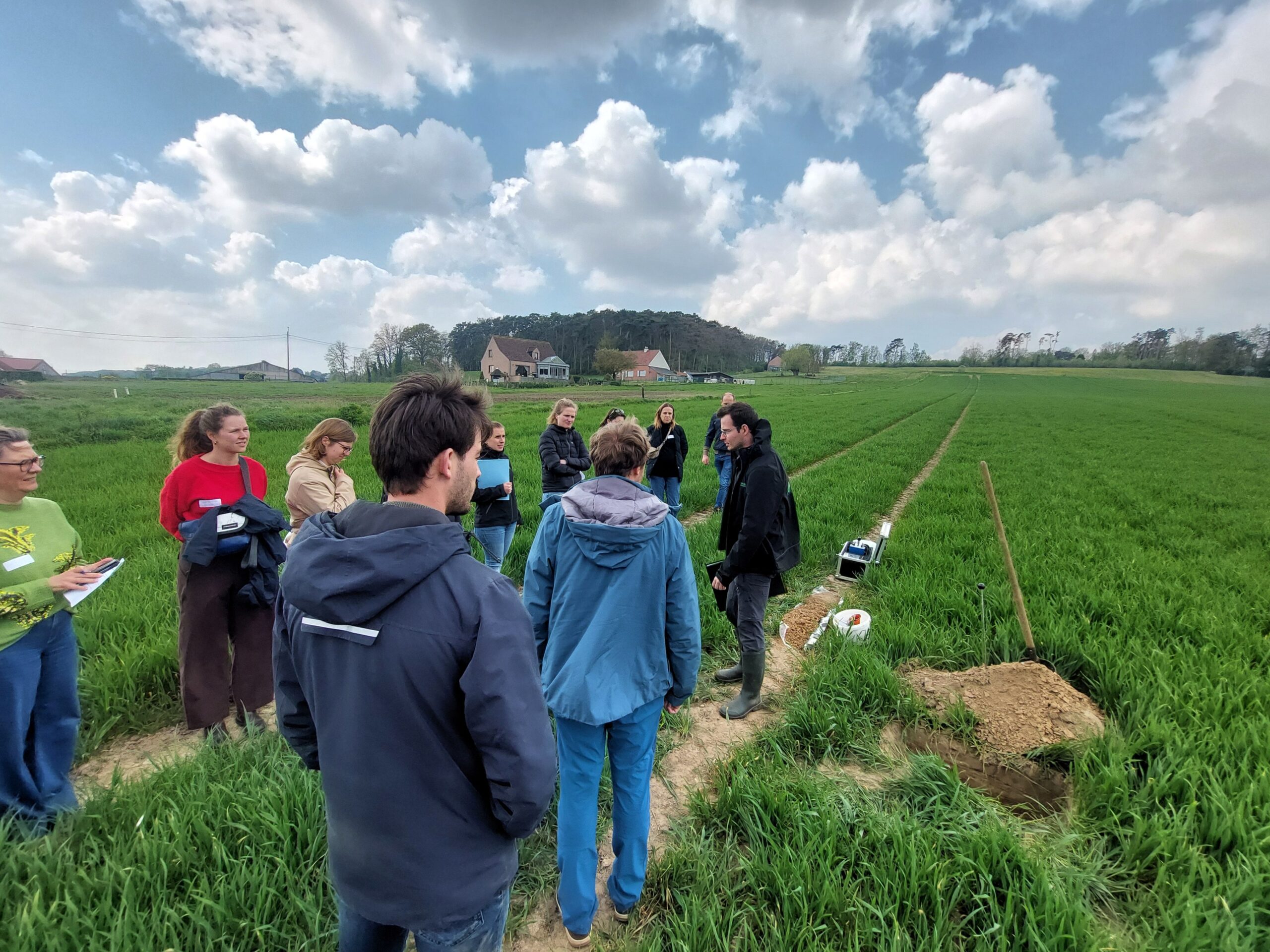
The one-day event brought together 16 participants from Belgium, the Netherlands and France to explore reduced tillage and simplified cultivation techniques, with a particular focus on non-inversion tillage. Unlike conventional ploughing, this approach avoids completely turning over the soil and can contribute to reducing erosion and supporting long-term soil health.
From research to the field
The Cross Visit combined an indoor technical session with a practical farm and field visit near Leuven, giving participants the opportunity to connect research findings with real-world farming conditions.
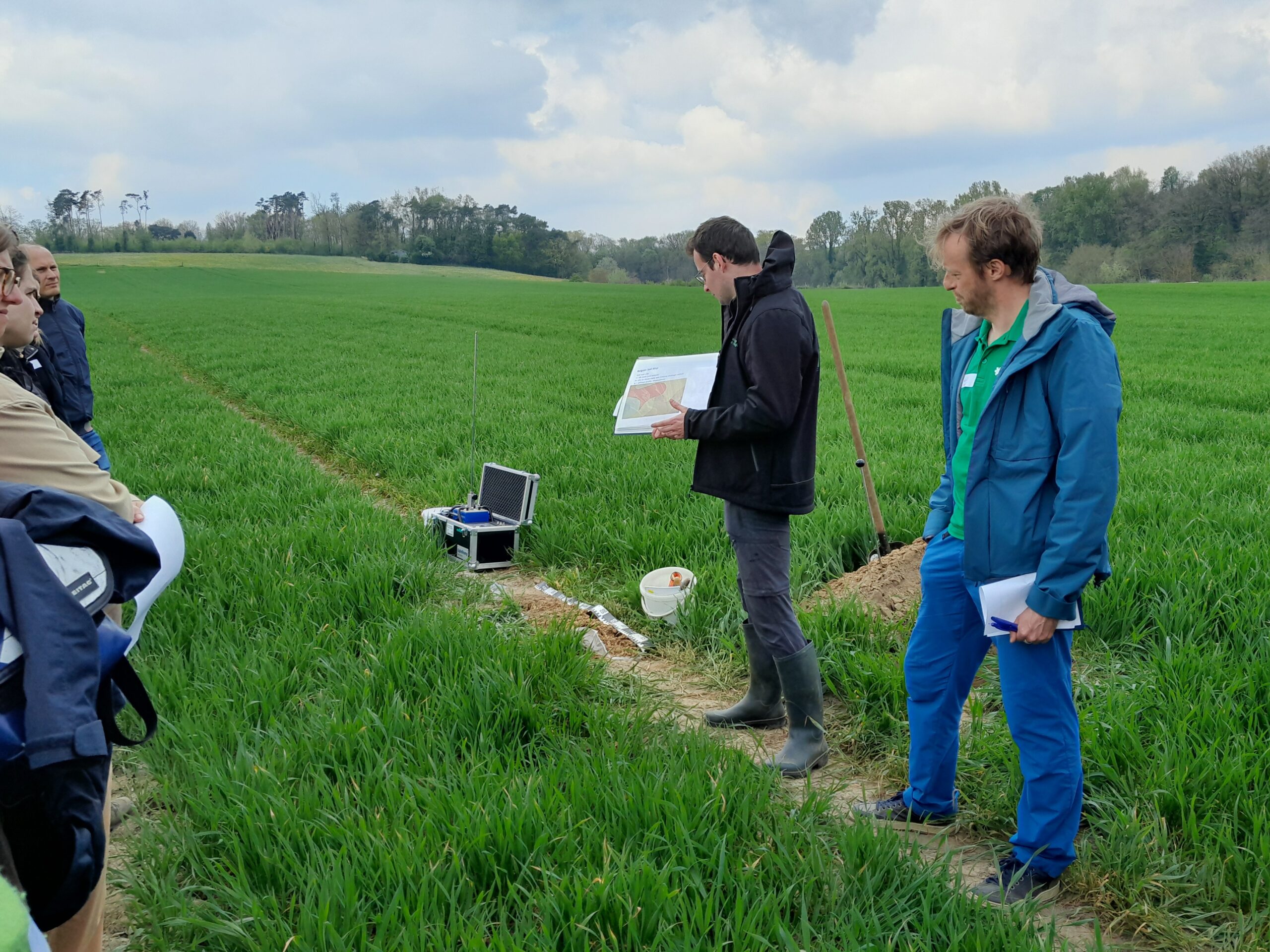
During the technical session, participants learned about different reduced tillage approaches and explored results from long-term field trials. The subsequent farm visit provided an opportunity to examine the machinery used for non-inversion tillage and observe soil profile pits from the long-term experiments.
The soil profiles offered a clear visual comparison between conventionally ploughed fields and those managed using non-inversion tillage, highlighting differences in soil structure and development over time.
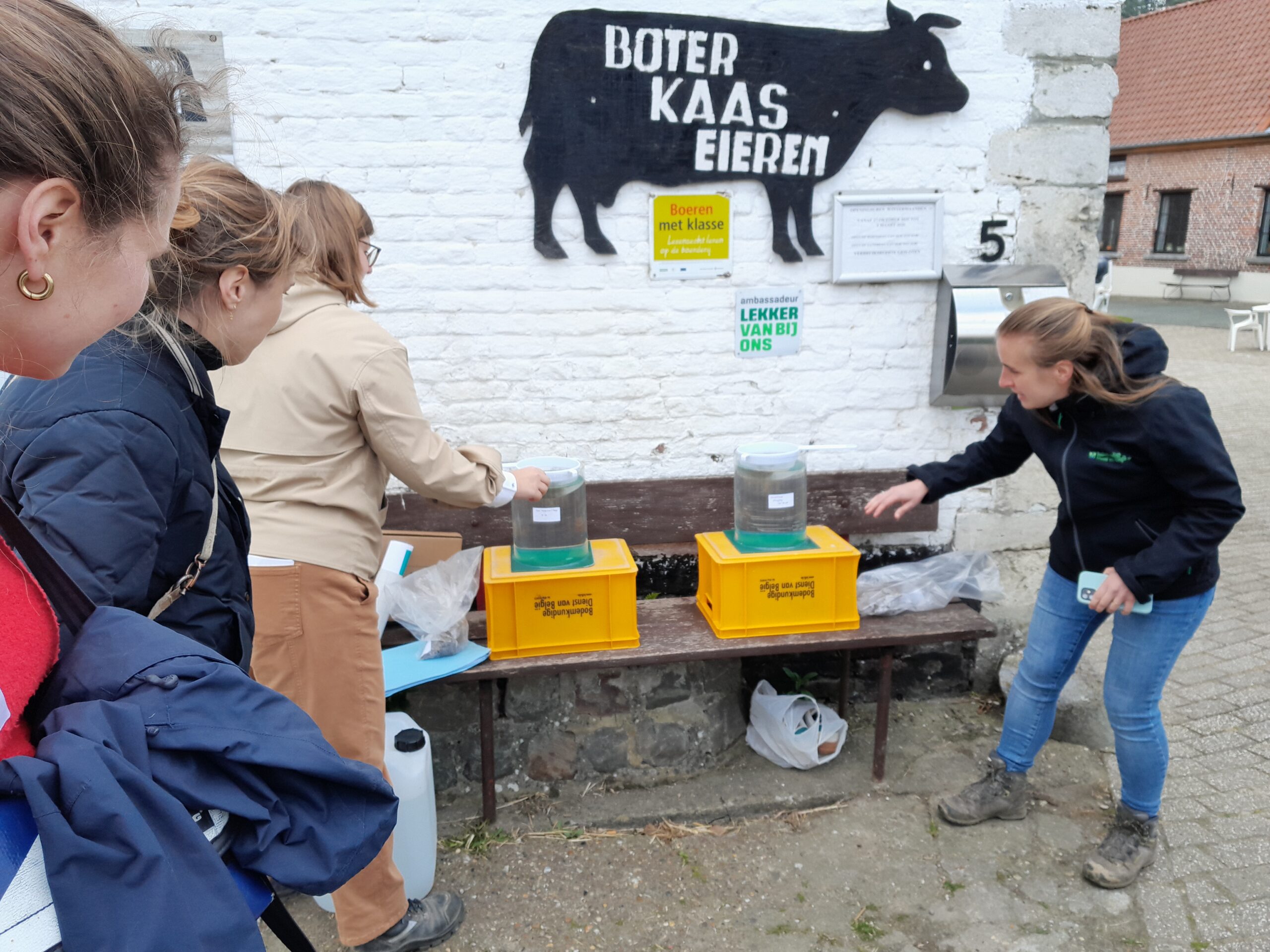
Participants also carried out a simple slake test to observe differences in soil aggregate stability. By placing soil aggregates in water and monitoring how they respond, the group could directly see how soil structure may be influenced by different cultivation practices.
Although the timing of the visit did not coincide with farm operations, meaning that an actual tillage demonstration was not possible, the machinery, trial plots and soil profiles provided valuable material for discussion and exchange.
What does reduced tillage mean for farmers?
The discussions went beyond the potential environmental benefits of reduced tillage and focused on the practical considerations farmers face when changing their cultivation systems.
Participants discussed issues such as weed pressure, timing of field operations, energy and labour requirements, nitrogen availability, soil structure and machinery needs, as well as the barriers that may discourage farmers from adopting alternative tillage practices.
One important takeaway was that there is no one-size-fits-all solution. The effectiveness of reduced tillage depends on factors such as soil type, weather conditions, cropping systems and overall farm management. In some situations, reduced tillage may need to be combined with other practices, such as cover crops or compost application, to achieve the desired results.
Learning from each other
The Belgian Cross Visit highlighted the value of bringing farmers, researchers and agricultural professionals together to exchange knowledge and learn from practical experiences.
Participants emphasised the importance of clear, step-by-step guidance, real-world examples and opportunities to observe techniques in practice. Long-term field trials can be particularly valuable in this regard, providing evidence of how different cultivation strategies influence soil and crop performance over time.
By combining scientific knowledge with practical experience and peer-to-peer exchange, the Belgian Cross Visit contributed to the STRATUS objective of making sustainable soil management approaches easier to understand, assess and apply in practice.