Compost: Gardner’s Black Gold
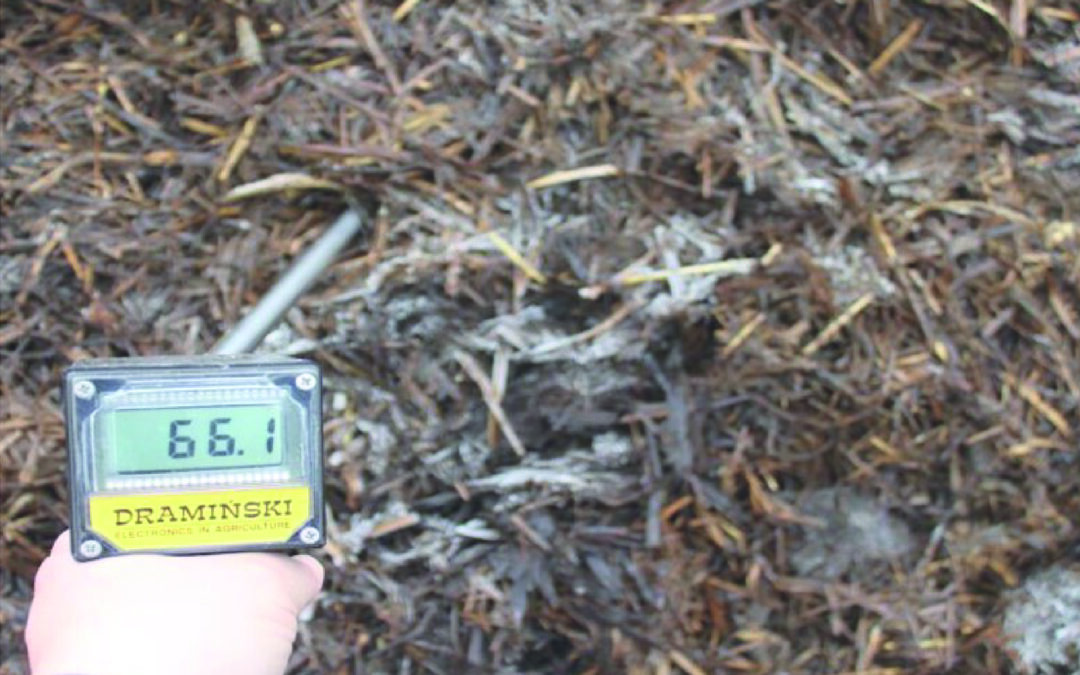
Compost is one of the best natural fertilizers that can be used in agriculture. Compost is a relatively safe fertilizer that is more difficult to overuse than mineral fertilizers, but its excessive application can still lead to problems in the soil and environment....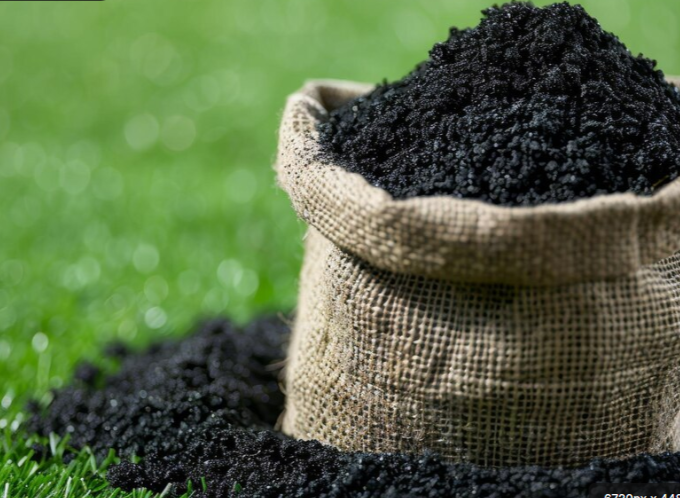
Good Practice on Biobased Fertilisers nº14: Biochar, innovations through carbonizations tested in amiata and maremma
Biochar is a carbon-rich material produced by pyrolysis, which is the thermal decomposition in the absence of oxygen. This usually occurs in organic biomass, such as wood, agricultural residues, or other plant materials. It is primarily used as a soil amendment to...
Good Practice on Biobased Fertilisers nº13: Fertibio development of the production process of biofertilizers
The biofertilizer contains primarily of beneficial microorganisms, including arbuscular mycorrhizal fungi (AMF), bacteria, and other fungi. These microorganisms are produced in vitro, in axenic cultures, and in vivo, resulting in effective inoculants. The AMF included...
Research Innovation on Biobased Fertilisers nº12: The use of biochar in growing media for soilles cultivation in horticulture
Growing media include any materials other than soil used as a horticultural substrate for plant rooting and cultivation in a confined volume, as part of controlled environment agriculture. These growing media are used for growing vegetables, fruits and ornamentals in...
Good Practice on Biobased Fertilisers nº11: Optimizing fertilization by using non-microbial biostimulants
Biostimulants aim to improve the effectiveness of fertilization, the efficiency of plant nutrition. Their use is rather preventive. A plant biostimulant is a product that stimulates plant nutrition processes independently of the nutrients it contains, with the sole...
Good Practice on Biobased Fertilisers nº10: Use of digestate originating from small scale farm digestion
Small-scale anaerobic digestion of residual flows (mainly at dairy farms) can help the farmer to fulfil the electricity needs of the farm and partly the heat demand through combustion of biogas in a combined heat and power unit. It has a local character and limited...
Good Practice on Biobased Fertilisers nº9: Solid fraction of a digestate from plant material
Digestates are the majority by-product of methanization. They are rich in organic and mineral elements, giving them a high organic fertilizer potential. The spreading of digestates, particularly of agricultural origin, is the most commonly carried out practice in...
Good Practice on Biobased Fertilisers nº8: Agricycling, regional usage
This good practice is inspired by a collaboration between farmers with a partnership with governments, and nature organizations called Agricycling. However, the initiative can be applied in many other places. It focuses on reusing available residual streams...