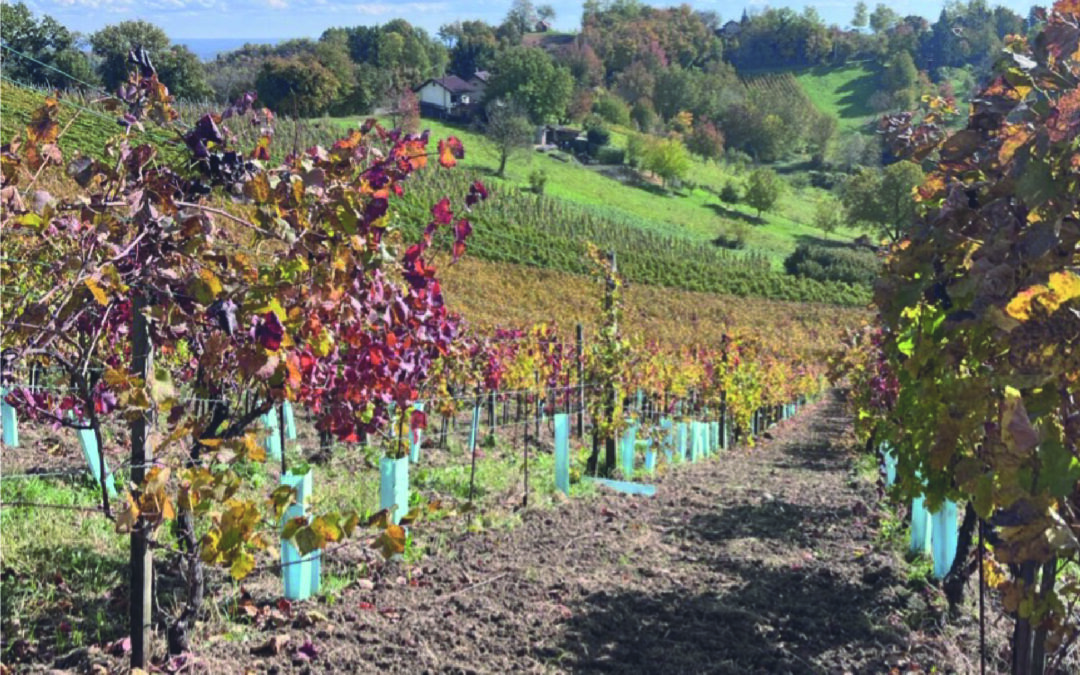

Navigating Smarter Farming: Slovenia’s Role in STRATUS
In the ongoing effort across Europe to achieve more sustainable farming, ensuring our land is both productive and environmentally sound is a shared priority. The STRATUS project is at the forefront of this movement, bringing together agricultural advisors to advance...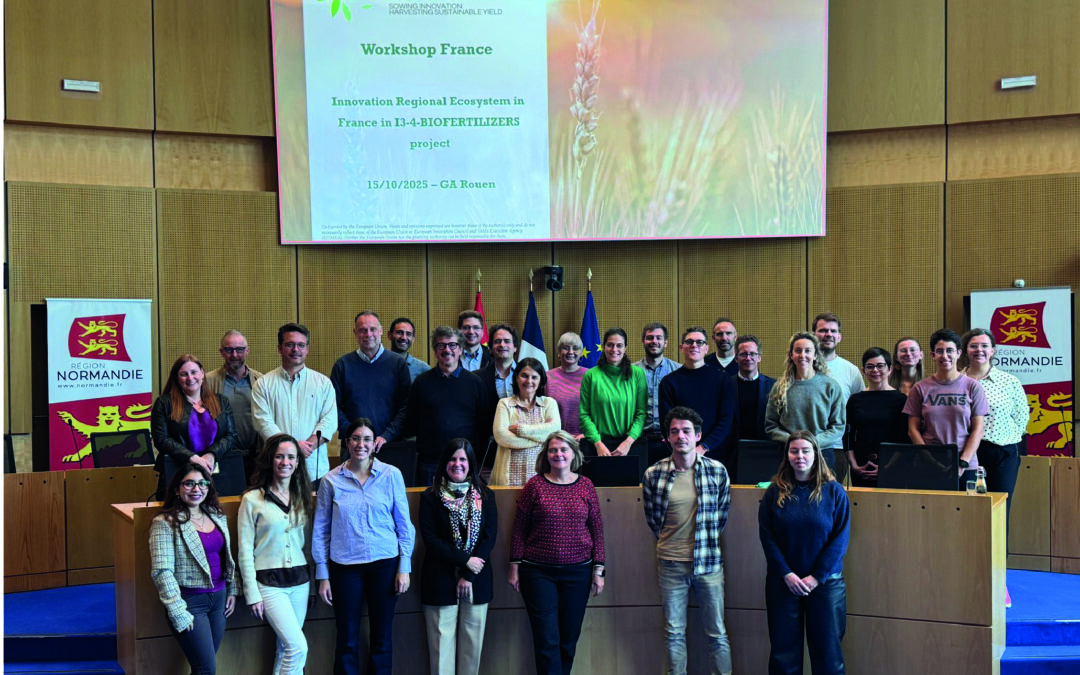
Strengthening Collaboration: STRATUS Presented at the I3-4-Biofertilizers General Assembly
The STRATUS project was recently presented at the General Assembly of the I3-4-Biofertilizers project, held in Rouen, France. This event brought together around 40 participants from across Europe, including representatives from SMEs, innovation clusters, regional...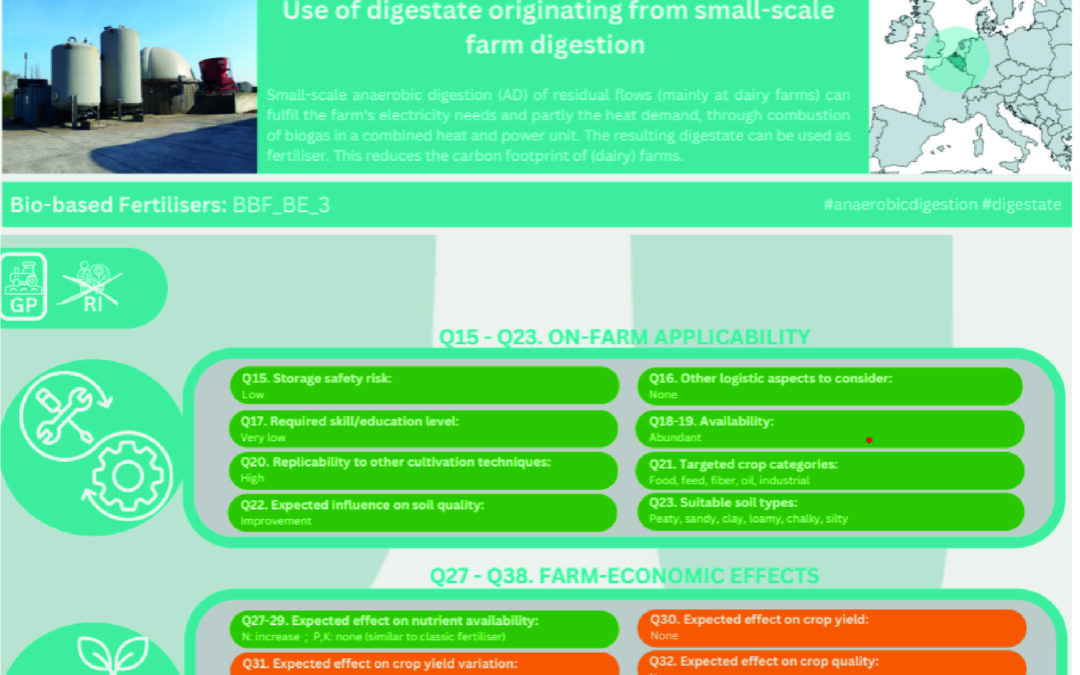
A One-Page Fact Sheet to Select Best Practices
How does one design a fact sheet that fits on one page, on the one hand, and contains sufficient information for a selection process, on the other hand? This was the challenge ILVO and co-WP leader WUR faced as they entered the second phase of WP3. Preceded by a...
STRATUS joins the launch of the AdvisoryAgriHub Platform!
STRATUS is excited to announce the launch of the AdvisoryAgriHub! The AdvisoryAgriHub is a central hub tailored to agriculture and forestry advisors, aiming to provide tools to improve their advisory competencies. The platform was developed through the collaborative...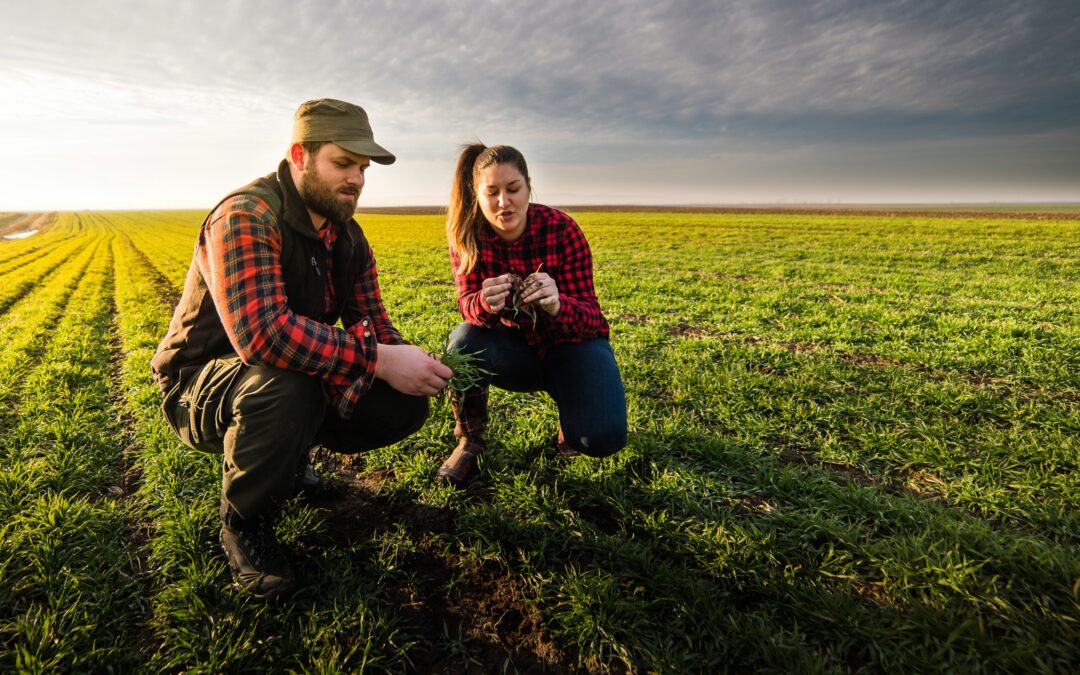
Let’s Learn Together, Grow Greener: Why Cross-Visits and Demos are Key in STRATUS
When we talk about making farming more sustainable across Europe, sharing what we know is crucial. The old ways of using fertilizers can sometimes cause problems for our environment, affecting our soil, water, and even the air. So, farmers and advisors are always on...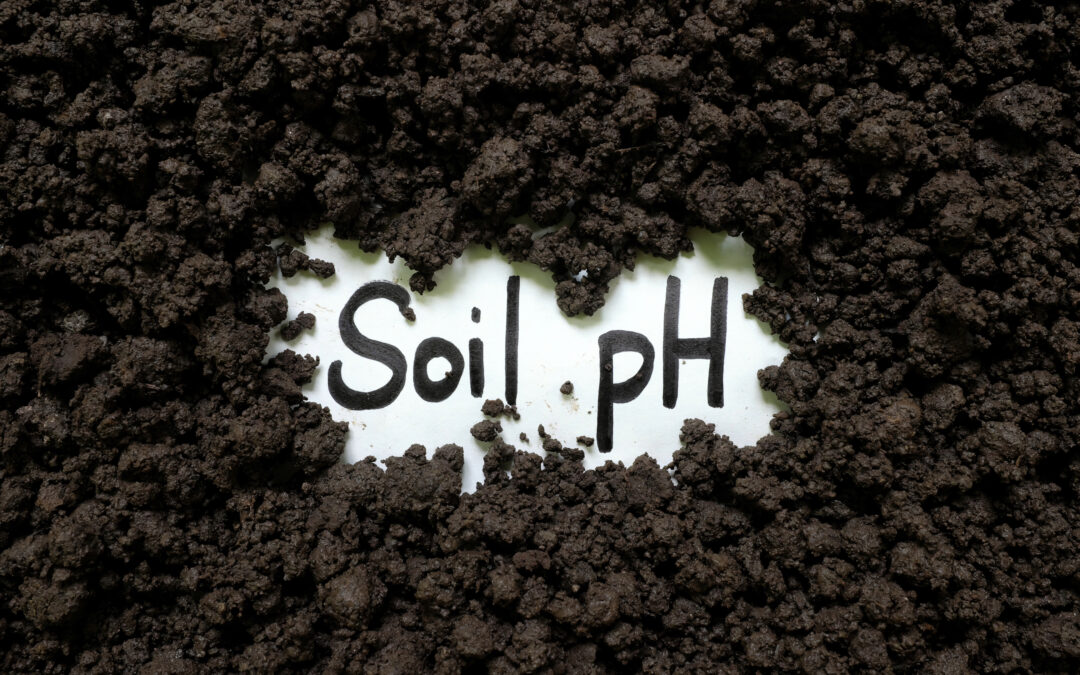
Neutralizing the Problem: Why Liming is Key to Healthier Soils in Poland
Liming is one of the basic agrotechnical measures. Aims to improve soil pH by increasing its pH. Too acidic soil negatively affects the availability of nutrients, limits the development of soil microorganisms and reduces the yield of crops. An optimal soil pH is...
Fertilising the future: empowering trainers with multimedia tools
Today’s farming innovations go beyond equipment and techniques—they also depend on how well knowledge is shared. That’s why having clear information, strong networks, and training materials tailored to farmers and advisors is so important. Often useful insights come...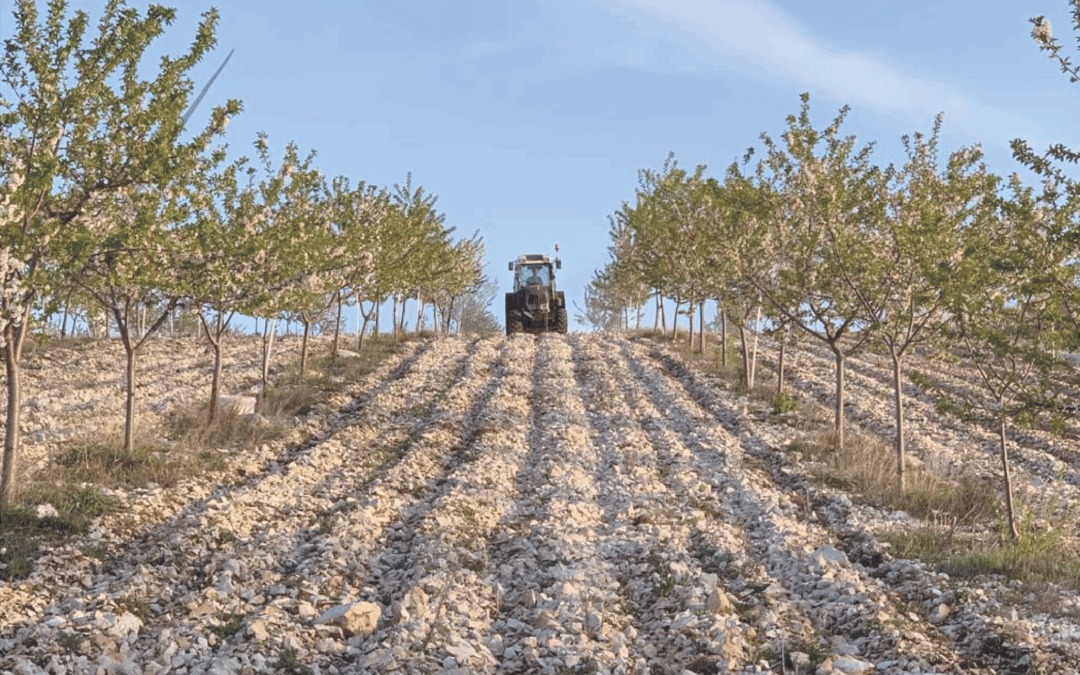
Influence of Karstic Soils and Microclimate on Soil Quality and Resilience in Organic Olive and Sour Cherry Production in the Makarska Region
The Makarska highlands in southern Croatia are characterized by a specific microclimate and extremely rocky soils, distinguishing agricultural production in this region from other parts of Croatia. These two factors create unique conditions for sustainable and organic...