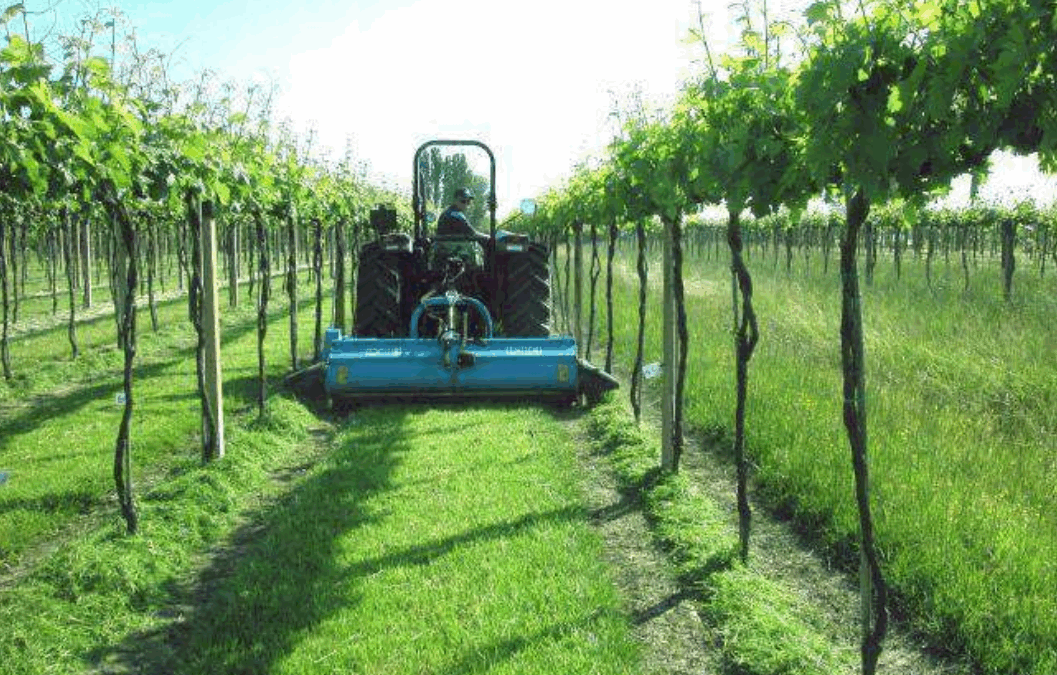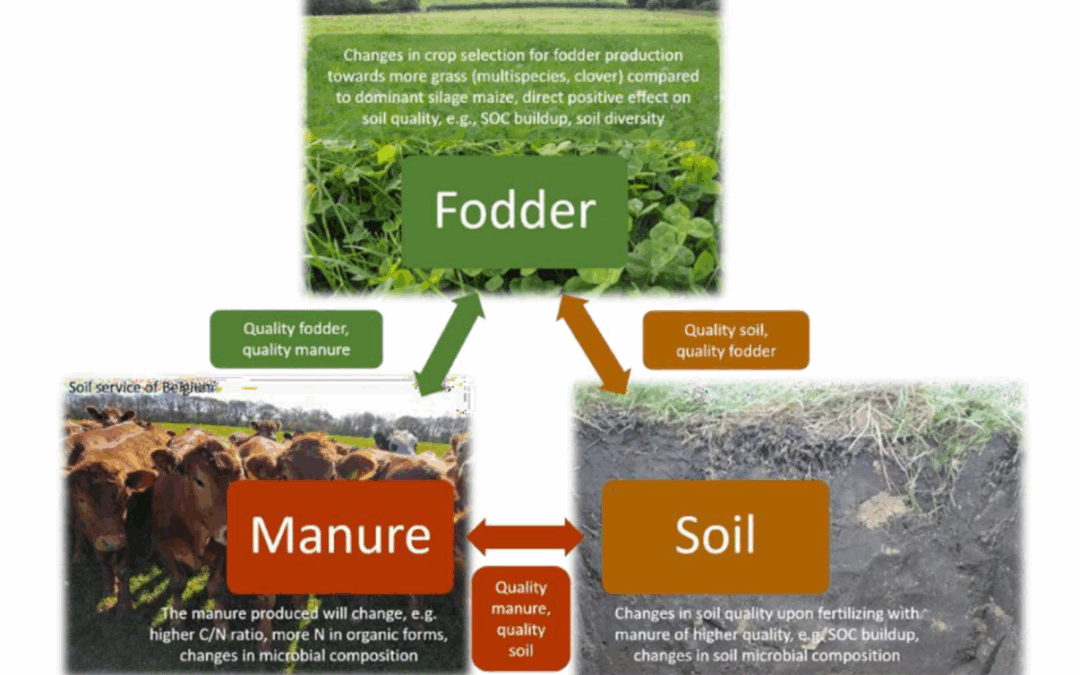
Research Innovation on Soil Quality nº17: Quality fodder – Quality manure – Quality soil
Changing the crop rotation towards more grass (single, multispecies, with legumes) in a fodder producing agricultural system for cattle production will positively benefit soil quality by breaking monoculture (or dominance) silage maize, a crop with very low...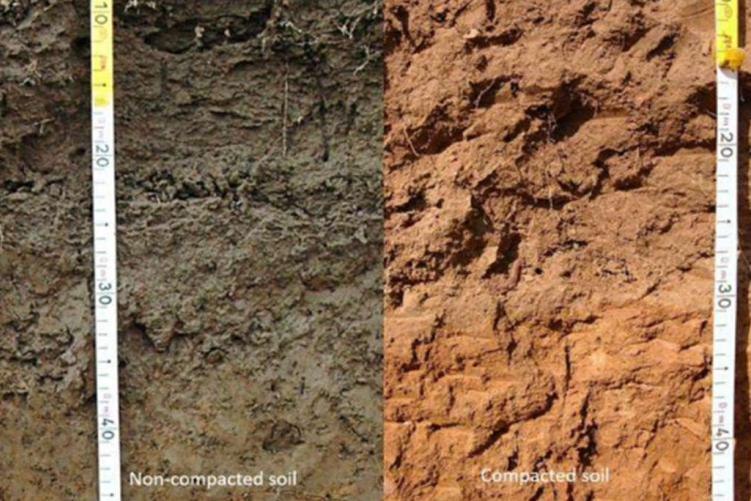
Good Practice on Soil Quality nº16: Preventing and resolving soil compaction
The prevention of soil compaction by reducing the load per cm² of soil and by taking care of the soil’s carrying capacity is very important because the resolving of deep soil compaction (compaction just below the topsoil, 30-50 cm) is difficult. Resolving of deep soil...
Research Innovation on Soil Quality nº15: Possibilities of using biogas digestate plants as fertilizers and soil improvers
Fertilizer trials will be set up on agricultural land OPGs on three crops in crop rotation/rotation: maize, winter wheat, and Italian ryegrass. Before setting up the experiment, soil samples will be taken in the planned areas in order to determine the initial state,...
Good Practice on Soil Quality nº14: Bioashes for advanced agri-food production & soil fertility
The utilization of bioashes in Croatia presents a valuable opportunity for sustainable disposal and agroforestry applications. These alkaline byproducts, derived from forest biomass plants, can effectively address the challenge of acidic soil (pH < 6) by enhancing...
Good Practice on Soil Quality nº13: Crop rotation
Crop rotation is an important factor in maintaining and improving soil health. Continuously growing the same crop over multiple years can lead to an increase in soilborne diseases, as pathogens specific to that crop are given the opportunity to multiply. When a...
Good Practice on Soil Quality nº12: Cover crop mixing grasses and legumes
Between two main crops is sown a mixture of grasses – oats, rye, buckwheat, Moha – and legumes – often forage species, instead of bare soil. The cover crop is destroyed during its vegetative step before the seed formation. DOWNLOAD THE PRACTICE...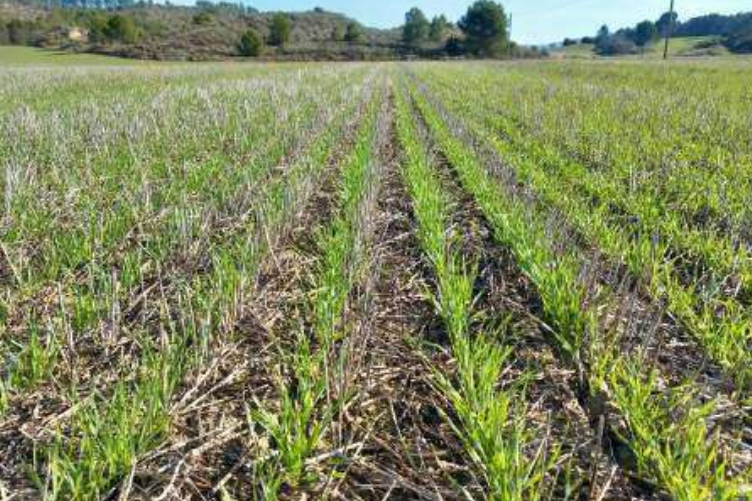
Good Practice on Soil Quality nº11: Reducing soil tillage / Simplified cultivation techniques
Simplified cultivation techniques are practices to reduce soil tillage, without use of ploughing. Their use allows to prevent from erosion and to improve soil biological activity, particularly earthworm presence. Simplified cultivation techniques gather deep ploughing...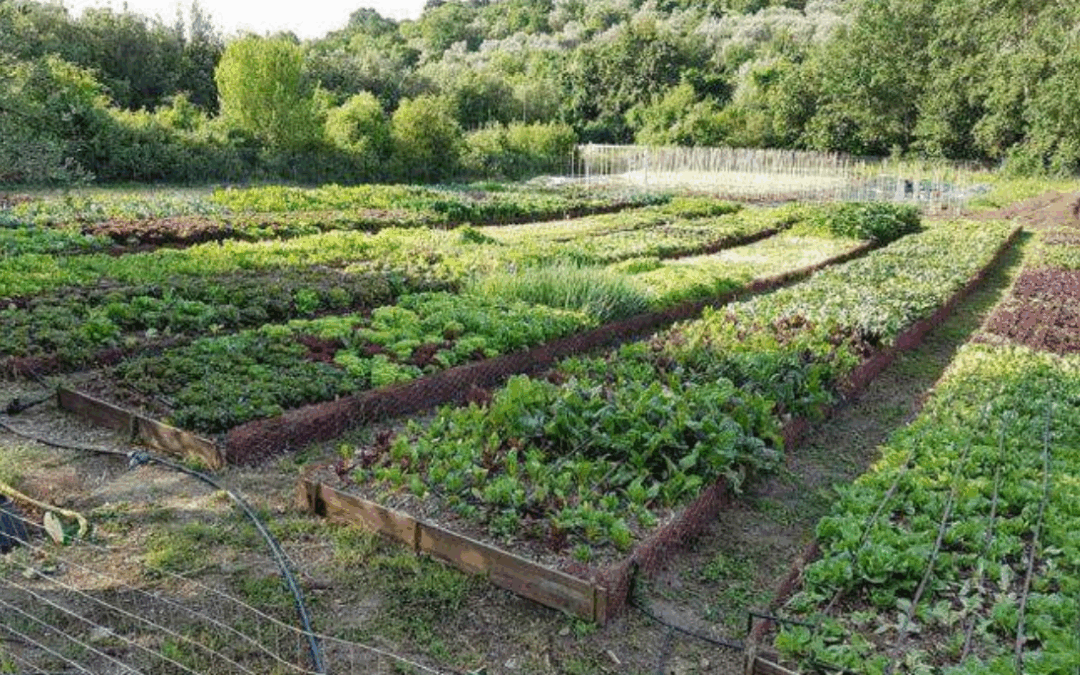
Research Innovation on Soil Quality nº10: ORTOBIOATTIVO, agroecology for the sustainable production of nutraceutical vegetables
Development and adoption of a new agronomic approach for vegetable cultivation called “Ortobioattivo. This model focuses on the quality of the substrate/soil and the microbiological biodiversity contained therein as a fundamental element for the cultivation of healthy...