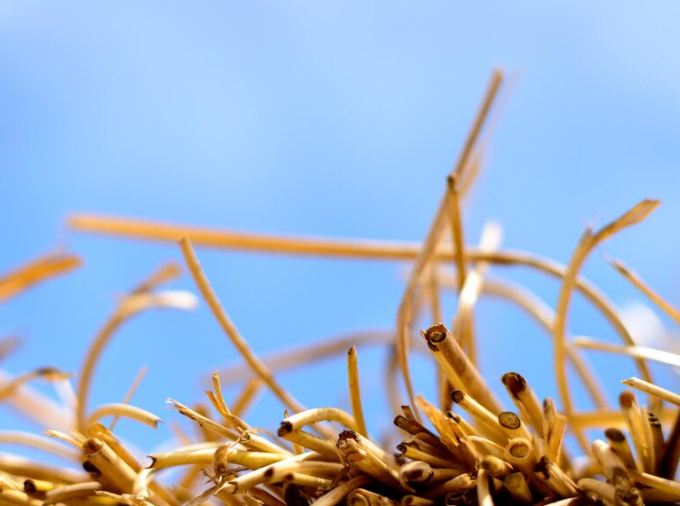
Photo credit: FREEPIK
Depending on the crop, crop residues can contain considerable amounts of nutrients. The nutrients are for instance stored in leaves, which are after being harvested left on the field. When degrading, those nutrients become available for soil organisms and the following crop. For instance the crop residues of sugar beets, a commonly grown crop in the Netherlands, leave over 50 kg N per hectare on the field after being harvested. However, those nutrients are often not considered when creating a fertilization strategy. The additional mineralized nutrients are prone to runoff. This research innovation quantifies the mineralization of nutrients out of crop residues and considers those during the following year in order to make a fertilization strategy that considers all the available nutrients, not only those applied but also the ones that become available in the soil throughout the year.